
Getting kids on board with chores
4 min read ·
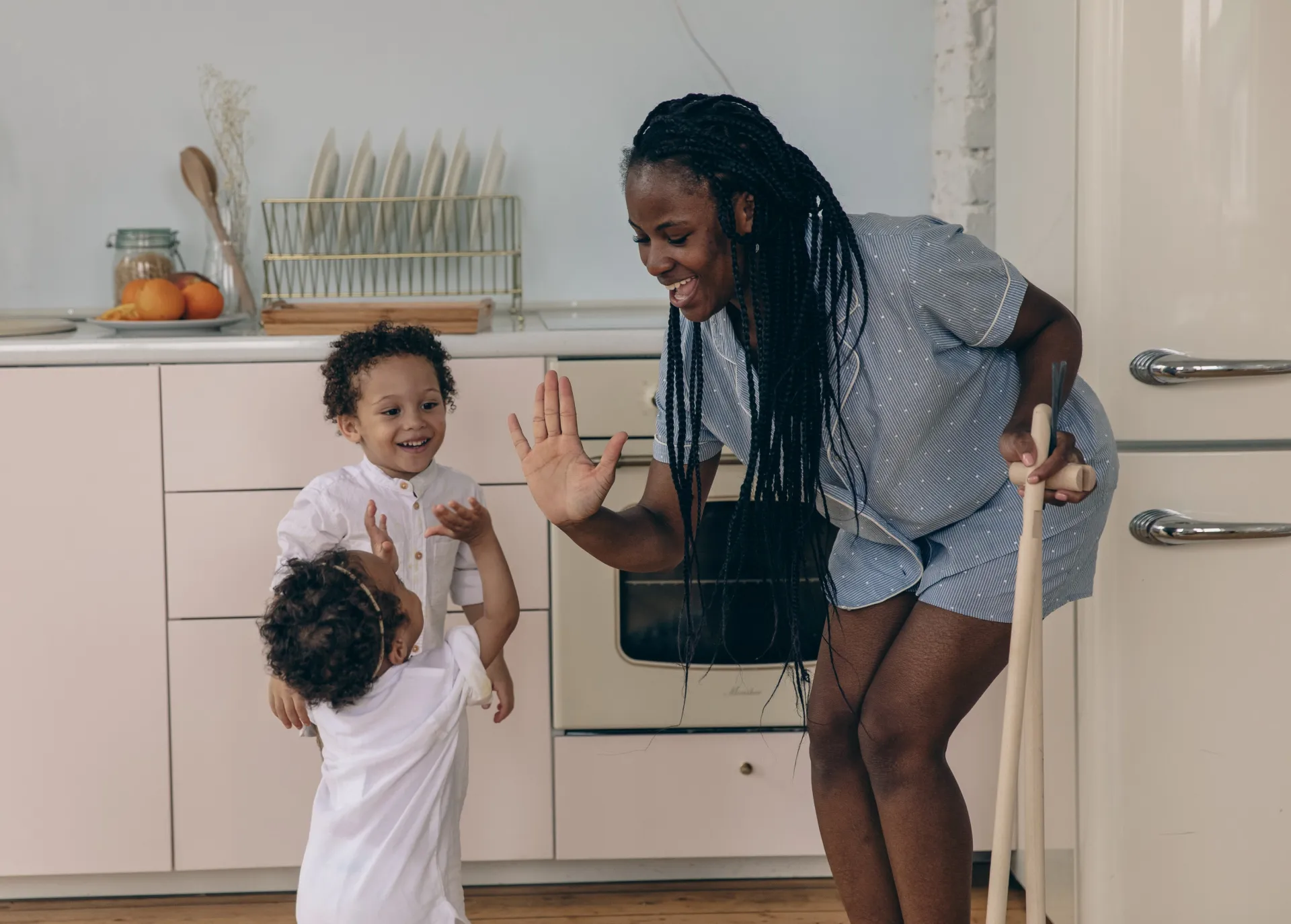
Helping at home is one of the best things you can give your kids. Kids who pitch in grow more confident, more independent and more connected to the family. And it's easier to get there than you might think.
Most kids start out eager to help out their parents. A toddler will happily "help" you unload the dishwasher, one spoon at a time. That eagerness is worth protecting, because helping at home is one of the best things you can give your kids. They learn real skills, feel capable and know they're an important part of the team.
Give them real jobs, not busywork
Kids can tell when a task is made up to keep them occupied. Real jobs that actually help the household make them feel trusted and needed, even if the jobs are small. A rough guide by age:
3 to 5: put toys in a bin, feed the pet with help, match socks, wipe up their own spills.
6 to 9: set and clear the table, empty small trash cans, water plants, make their bed.
10 to 13: load the dishwasher, vacuum a room, fold and put away their own laundry, take out the recycling bins.
14 and up: cook a simple dinner, clean the bathroom, mow the lawn, do a full load of laundry start to finish.
Every kid is different, so treat this as a starting point. If your eight-year-old loves helping out in the kitchen, let them try to cook a meal for the family. Following their interests is a great way to build confidence.
Show it once, then step back
Do the chore together the first time. Then let them do it while you watch. After that, leave the room. Stepping back shows you trust them, and kids grow into that trust. Nobody enjoys being graded while they fold towels.
Tie it to something that already happens
Kids don't remember chores. They remember routines. Attach the task to a moment that's already fixed: the cat gets fed right after school, the table gets set when you start cooking, shoes go away as soon as they walk in.
After a week or two, the trigger does the reminding for you. That's when you can stop saying "Did you...?" five times an evening, and your kids get the satisfying feeling of doing it on their own.
Let "good enough" be good enough
The towels will be folded in thirds instead of halves. The table will have a few crumbs left. Let it be. Seeing their work count, just as it is, is what makes kids want to do it again. Save your feedback for things that really matter, and mention one thing at a time.
Rotate the jobs nobody wants
If one kid always gets the trash and the other always gets to feed the cat, you'll hear about it. Rotating the less popular chores weekly keeps things fair and lets everyone learn a bit of everything. With Casita, you can set a chore to rotate so it automatically passes to the next person, which leaves no room for discussion.
Make effort visible
Kids love seeing progress. A checklist they tick off, a sticker chart for the little ones, or a quick "thanks for doing the dishes, that helped" at dinner all count. Be specific: "You got every plate in without me asking" lands better than "good job."
Bigger jobs deserve more recognition than quick ones. Scrubbing the bathtub isn't the same as feeding the fish, and older kids appreciate it when that's acknowledged. If your family uses Casita, giving heavier chores more credits makes that difference visible to everyone.
Do chores at the same time as them
A ten-minute "everyone tidies" before dinner feels very different from being sent off alone while the adults relax. Put on music, set a timer and work side by side. It quickly becomes a small, fun family moment. Kids copy what they see, and seeing you do your share is the best example you can set.
Start small this week
Pick one chore per kid, show them how, and give it two weeks before adding more. A small habit that sticks beats an ambitious chart that's forgotten by Thursday, and every habit that sticks is something your kids will carry with them for years.


